

Understanding the Factors That Influence Property Tax (IBI) Increases or Decreases
The Property Tax (IBI) is a municipal levy in Spain applied annually to real estate properties. It is based on the property’s cadastral value and typically ranges between 0.4% and 1.3% for urban properties (0.3% to 0.9% for rural properties). However, many property owners may notice that the amount they owe in IBI fluctuates from year to year. Below, we explore the key factors responsible for these changes and how they can impact your IBI.
Primary Factors That Can Cause IBI to Increase or Decrease
Several factors may contribute to an adjustment in your IBI, which could lead to either an increase or a decrease in the amount payable. The three most significant factors are:
- Changes in the IBI rate set by the municipality.
- Revisions to the cadastral value of the property.
- Eligibility for IBI payment discounts or surcharges.
Let us delve into each of these factors to understand their implications on your property tax.
Variations in the IBI Tax Rate
Municipal Discretion Over IBI Rates
Each municipality in Spain has the authority to set its IBI rate within the legal limits, which are outlined in Article 72 of the Local Treasury Law. For urban properties, the IBI rate must fall between 0.4% and 1.3% of the cadastral value. For rural properties, the rate must range between 0.3% and 0.9%. These rates can differ based on the type of property, such as whether the property is urban, rural, or classified as a special property (e.g., industrial sites or public facilities).
Municipalities can adjust the IBI rate annually, which means that even if your property's cadastral value remains unchanged, the tax you owe could fluctuate. Local government budgetary needs, urban planning developments, or political decisions often drive these rate changes. Therefore, regular monitoring of municipal decisions related to tax policies is essential for property owners.
Cadastral Value Changes
What is the Cadastral Value?
The cadastral value is a critical element in calculating the IBI, representing an administrative value assigned to each property based on its physical and economic characteristics. Factors influencing this value include:
- Location: Proximity to key urban infrastructure or areas of economic growth.
- Materials: The quality and durability of materials used in the property’s construction.
- Age: Newer buildings may have higher cadastral values, while older properties may see a decline depending on maintenance and renovations.
The cadastral value is not updated annually. Instead, revisions occur periodically, often in alignment with market trends, urban development projects, or legislative changes. For instance, after a significant revision, your property's cadastral value could increase if it is located in a newly thriving area or if property prices have surged since the last review.
How Revisions Affect IBI
When a municipality conducts a cadastral review, it typically results in an adjustment to your property's cadastral value. If property prices have risen significantly since the last review, your cadastral value will likely increase, leading to a higher IBI payment. Conversely, if market conditions have led to a decline in property values or if your property has depreciated due to age or location changes, the IBI amount may decrease.
Property owners can check the current cadastral value of their property and the date of the last revision by visiting the official online portal of the Catastro (Spanish cadastral authority).
IBI Discounts and Surcharges
Common IBI Discounts
Several types of properties are eligible for discounts on their IBI payments, known as bonificaciones. These discounts aim to reduce the financial burden on specific groups or promote social or environmental objectives. Some of the most frequently applied IBI discounts include:
- Large Family Discount: Properties owned by families classified as large families (three or more children) may qualify for this reduction.
- Social Housing Discount: Properties that fall under public housing initiatives (VPO - Vivienda de Protección Oficial) are eligible for lower IBI payments.
- Solar Energy Installation Discount: Properties that have installed solar energy systems may qualify for a discount, as the government encourages eco-friendly energy solutions.
Surcharges on Vacant Properties
While discounts can reduce your IBI, certain circumstances could lead to surcharges, increasing your overall tax liability. For example, under Spain's Ley de Vivienda (Housing Law), municipalities have the authority to impose up to a 150% surcharge on the IBI of properties that remain vacant for extended periods. This measure aims to discourage housing speculation and encourage property owners to put unused properties back into the rental or housing market.
Conclusion: Monitoring and Managing Your IBI
The amount you pay in Property Tax (IBI) is subject to various dynamic factors, including municipal decisions, changes in cadastral values, and eligibility for discounts or surcharges. Understanding these components can help you anticipate and manage potential increases or decreases in your tax obligations. Regularly reviewing updates from your local municipality, checking your property's cadastral value, and ensuring that you qualify for any available discounts can provide greater control over your annual IBI payments.
By staying informed and proactive, property owners can effectively navigate the complexities of the IBI and mitigate any unexpected fluctuations.
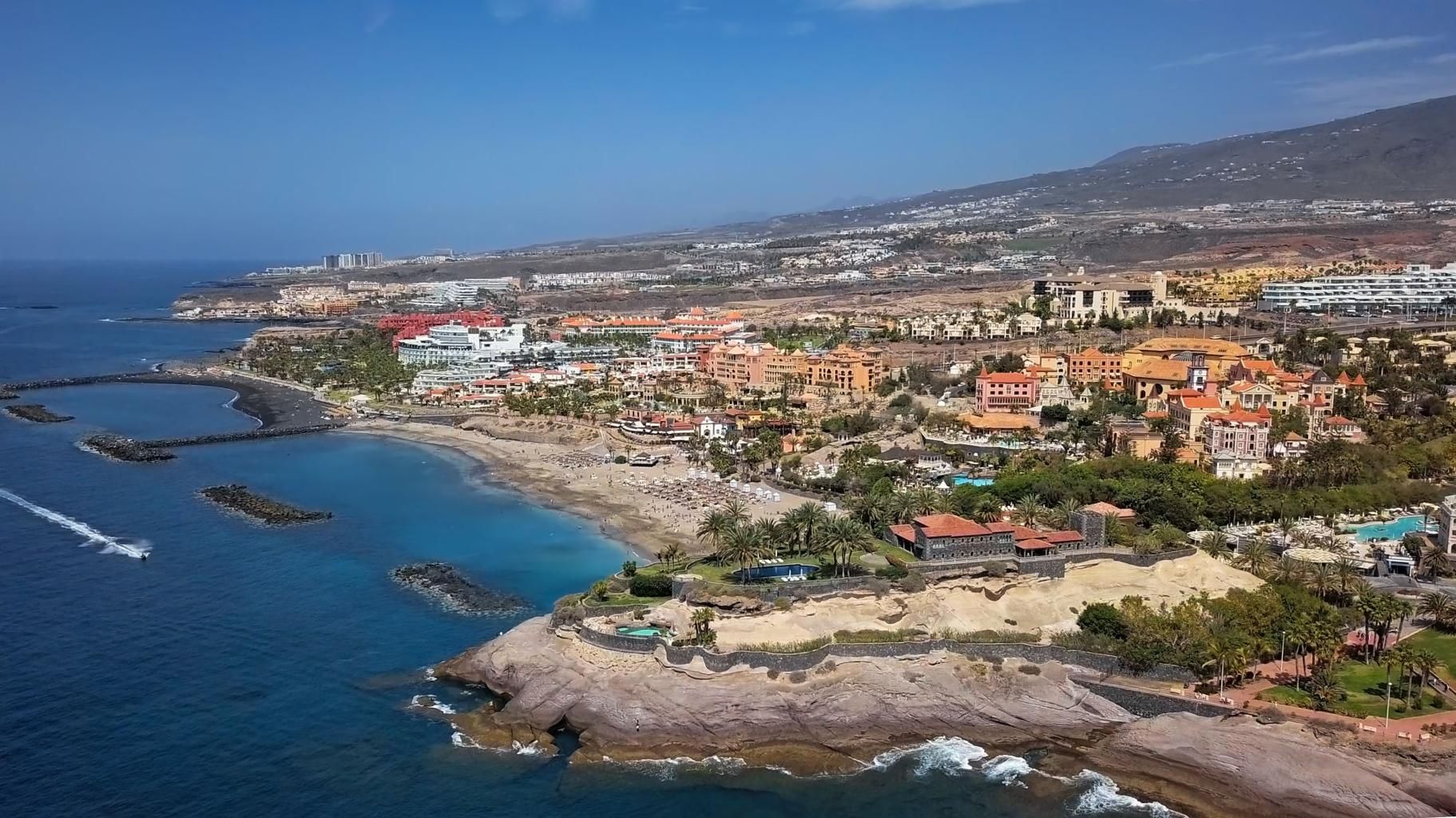
Buying Property in Tenerife: The Complete 2026 Guide
Buying Property in Tenerife: The Complete 2026 Guide - Buying property in Tenerife is a goal for many overseas buyers, second-home seekers and investors looking for sunshine, lifestyle and...
more
Tenerife Property Market Update – December 2025
OverviewAs we wrap up 2025, Tenerife's property market shows stable...
more
VV Licence in Tenerife: Update (December 2025)
VV Licence New Law in Tenerife: Update (December 2025) - In December...
more
Tenerife Property Market Update – November 2025
Tenerife Property Market Update – November 2025Prices in most of...
more