
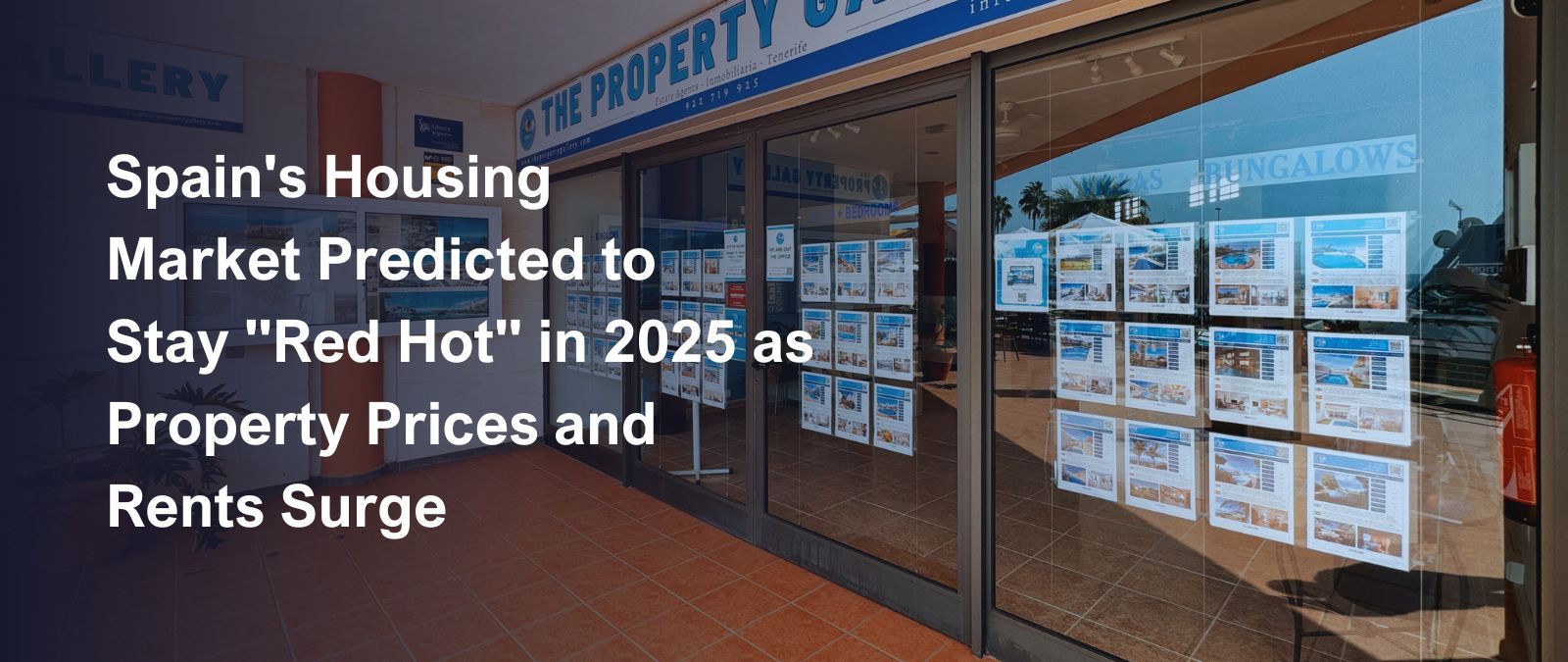
Spain's Housing Market Predicted to Stay
The housing market in Spain, including its highly sought-after regions like the Canary Islands, is poised for remarkable growth in 2025. With escalating demand for both properties and rentals, experts anticipate significant price increases, a resurgence in mortgage activity, and notable challenges for first-time buyers. This comprehensive analysis explores the underlying dynamics, projections, and implications of this thriving market.
Housing Market Growth Forecast for 2025
Spain's real estate sector is on track to achieve extraordinary milestones in 2025, driven by an upsurge in transactions, stabilized credit conditions, and robust consumer savings. According to insights from the real estate platform pisos.com, approximately 666,792 property transactions are projected—an 8.2% increase from 2024’s figures. This surge will eclipse the remarkable performance of 2022, a year previously considered a benchmark for the industry.
Key Drivers of Market Expansion
- Improved Credit Access: The European Central Bank’s (ECB) gradual reduction of interest rates is making mortgages more accessible, encouraging buyers to re-enter the market.
- Untapped Savings: Household savings accumulated during the restrictive pandemic years continue to fuel property investments.
- High Demand and Limited Supply: A shortage of new property developments remains a persistent issue, intensifying competition and driving prices higher.
Property Price and Rent Projections
Property Prices to Rise by Over 12%
The housing market’s supply-demand imbalance is expected to elevate property prices by 12.1% by the end of 2025. Regions with strong tourism appeal, such as the Canary Islands, Balearic Islands, and coastal areas like Málaga and Levante, are forecasted to experience the steepest increases. Urban centers like Madrid, Barcelona, and Valencia will also see substantial price hikes, reflecting continued demand for city living.
Rents to Increase by 10.3%
Rental markets are mirroring property price trends. With limited housing availability, rents are projected to rise by 10.3%, creating significant challenges for those who rely on long-term leasing in metropolitan and tourist-driven areas.
Challenges Facing First-Time Buyers
Age Dynamics in Property Ownership
First-time buyers, especially younger individuals, face daunting obstacles as rising property prices outpace wage growth. The majority of property transactions are expected to involve buyers aged 50 and above, often leveraging their accumulated wealth or downsizing investments.
Financial Support for Younger Buyers
To enter the market, younger demographics will increasingly rely on:
- Family Contributions: Many families will play a pivotal role in financing down payments.
- Government-Backed Guarantees: Policy initiatives may emerge to provide security and accessibility for younger buyers.
The Resurgence of the Mortgage Market
The mortgage sector, which had slowed due to high interest rates, is forecasted to regain momentum in 2025.
Projected Growth in Mortgages
- 14.5% Increase in Mortgage Approvals: An estimated 486,758 mortgages will be granted in 2025, reflecting renewed confidence among both lenders and buyers.
- Declining Interest Rates: The ECB’s ongoing adjustments, reducing rates from 4% to 3.25% through incremental cuts, are making borrowing more affordable. This trend is likely to continue, fostering favorable conditions for home financing.
Economic Risks and Market Implications
While the anticipated growth presents numerous opportunities, it also comes with inherent risks that demand careful consideration.
Potential Over-Leveraging
Lower interest rates, while beneficial, may encourage households to take on higher financial burdens to secure homes. Policymakers and lenders must remain vigilant to prevent unsustainable debt accumulation.
Affordability Concerns
The escalating property prices and rents pose significant challenges for affordability, particularly for low-income families and younger individuals. Policymakers must explore solutions to balance market growth with accessibility.
Regional Disparities
Tourist hotspots and metropolitan areas are expected to see the sharpest price increases, further widening regional disparities in housing costs.
Conclusion
Spain’s housing market in 2025 will be characterized by unprecedented demand, rising property values, and a resurgent mortgage sector. While this growth signals economic vibrancy, it also underscores critical challenges, particularly for first-time buyers and renters. Strategic interventions by policymakers and industry stakeholders will be crucial to ensuring a balanced, sustainable housing market that serves all segments of society.
While this analysis provides a forecast, market conditions may vary. Contact us for personalized advice if you're planning to buy or sell a property in Tenerife.

Buying Property in Tenerife: The Complete 2026 Guide
Buying Property in Tenerife: The Complete 2026 Guide - Buying property in Tenerife is a goal for many overseas buyers, second-home seekers and investors looking for sunshine, lifestyle and...
more
Tenerife Property Market Update – December 2025
OverviewAs we wrap up 2025, Tenerife's property market shows stable...
more
VV Licence in Tenerife: Update (December 2025)
VV Licence New Law in Tenerife: Update (December 2025) - In December...
more
Tenerife Property Market Update – November 2025
Tenerife Property Market Update – November 2025Prices in most of...
more