
Spain’s Controversial 100% Tax Proposal for Non-EU Property Buyers: What You Need to Know
Updated 21 February 2025 -
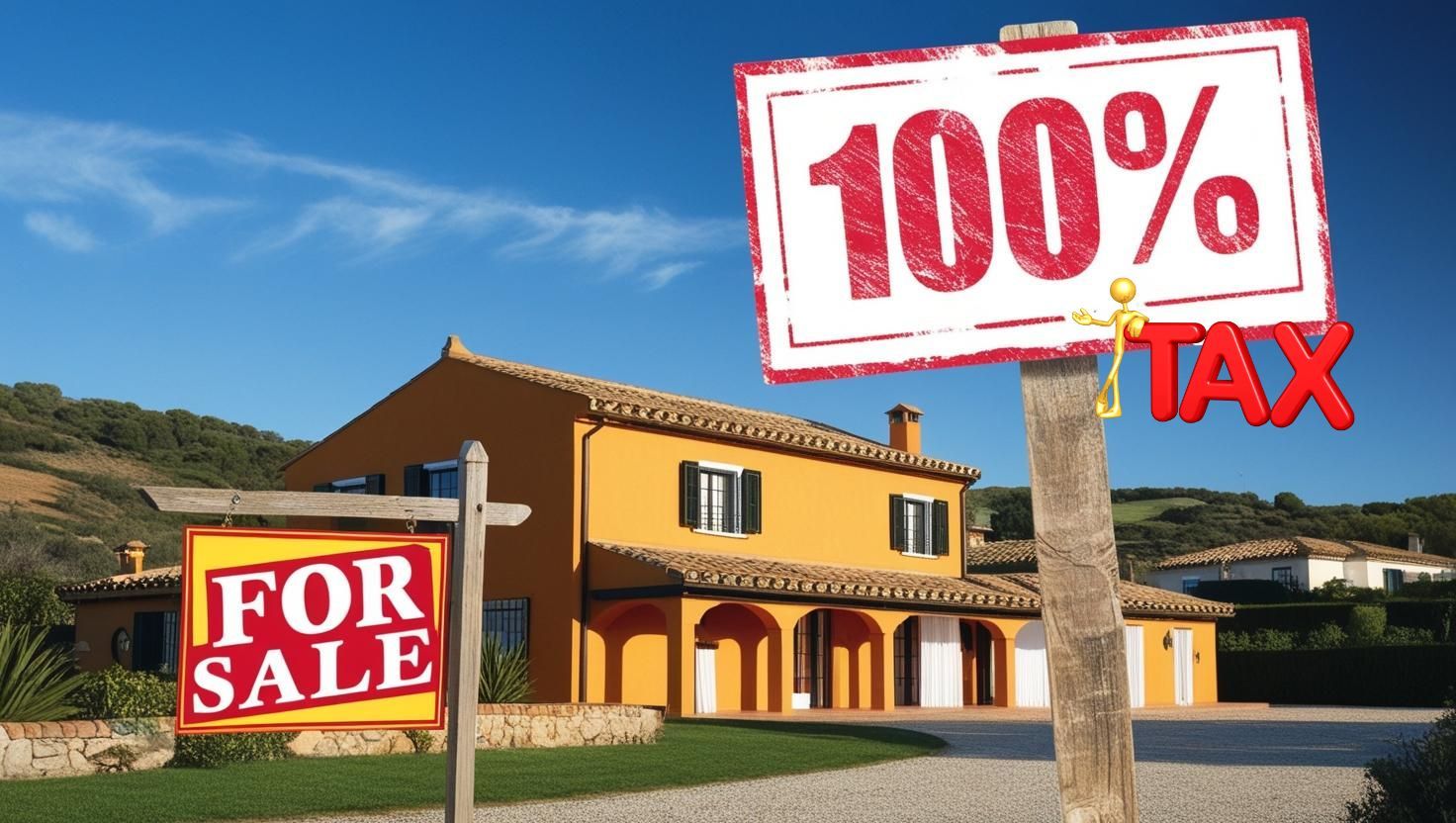
Spain has recently stirred global attention with abold and controversial announcement: a potential 100% tax on property purchasesby non-EU non-residents. The announcement was made by Prime Minister Pedro Sánchez. This initiative, Sánchez said, aims to tackle the country’s housing affordability crisis. This unprecedented proposal has sparked widespread debate, leaving many wondering how it will impact foreign property investment in Spain.
Understanding the 100% Tax Announcement
On January 13th, Prime Minister Pedro Sánchez unveiled a comprehensive plan to address Spain’s housing challenges, which includes measures to protect tenants. Among several measures, the most shocking was the proposal to impose a 100% tax on property purchases made by non-EU non-residents. This move is part of a broader strategy that includes:
Increasing the supply of social housing is crucial for addressing the needs of tenants.
Offering incentives for property renovation and affordable rentals
Tightening regulations on short-term tourist rentals
The announcement immediately sparked controversy due to the ambiguity surrounding the tax's implementation.
The real reasons behind Spain’s rising rental and housing prices.
The Spanish government cited several reasons for introducing this measure:Housing Affordability Crisis: Property prices have skyrocketed in recent years, making it difficult for local residents to buy homes.
Speculative Investments: Non-resident foreign buyers are often accused of purchasing properties solely for investment purposes, leaving many homes vacant.
Boosting Social Housing Supply: Implementing measures to ensure that local residents have access to affordable housing while regulating the holiday home market. By limiting foreign purchases, the government hopes to increase available properties for local residents.
Clarification on the Proposed Tax
Following widespread media backlash and industry concerns, Prime Minister Pedro Sánchez clarified his statement during a political rally on January 19th regarding the proposed 100% property tax for non-EU buyers. The Prime Minister emphasised that the proposal was aimed at prohibiting property purchases by non-EU foreigners who do not reside in Spain and are merely speculating on the property market, particularly in cities like Madrid and Barcelona.
Experts have since clarified that the proposed 100% tax may not be a literal doubling of the property purchase price but rather a significant increase in the existing tax burden for non-resident buyers looking to buy property.
Impact on Non-EU Property Buyers
The proposed tax would primarily affect non-EU buyers who are not residents of Spain. Key points to note include the proposed 100% tax on non-EU property purchases.Exceptions for Prospective Residents: The tax does not apply to non-EU buyers who plan to relocate and become residents.
Focus on Speculative Buyers: The primary target is investors who do not use the properties as primary residences.
Uncertain Impact: Given the lack of specific details, it is unclear how the tax would be calculated or enforced.
Example Tax Calculation for Non-Resident Property Buyers
To better understand the potential financial impact of the proposed 100% property tax, let's consider an example for a non-resident buying a property priced at €250,000 in Tenerife.
Standard Property Transfer Tax: Typically, property transfer taxes in Spain range from 6% to 10%, depending on the region. In Tenerife, this tax is approximately 6.5%.
Property Transfer Tax at 6.5%: €16,250
Hypothetical 100% Additional Tax: If the proposed 100% tax were to double the standard tax burden, the buyer would pay an additional 6.5%.
Additional Tax: €16,250, which may include the proposed tax on non-EU property purchases.
Total Tax Payable: €16,250 + €16,250 = €32,500
This example highlights how the proposal could significantly increase the tax burden for non-resident buyers.
Current Status of the Proposal
At the time of writing, the proposed tax is not yet law. Any changes to or new taxes, including the proposed tax on non-EU property purchases, require parliamentary approval. Given the Spanish government's minority status, passing such legislation may be challenging.
Expert Opinions
Industry experts and legal professionals have weighed in on the proposal:
Miguel Manzanares, Spanish Lawyer: Manzanares emphasised that the proposal is unlikely to result in a 100% tax increase but rather a significant adjustment to the current tax rates.
Mark Stücklin, Spanish Property Expert, emphasised the need for reforms to support tenants. Stücklin noted that while the proposal generated headlines, it is unlikely to lead to immediate changes affecting British and American buyers.
Comparisons with Similar Policies
Spain is not the first country to introduce measures targeting foreign property buyers:
Denmark, as a member of the EU, is navigating complex housing policies that may include a tax on non-EU nationals. Imposes restrictions on non-resident property purchases, particularly affecting rich landlords.
Canada: The government recently implemented a two-year ban on foreign property buyers to curb housing speculation and address the national housing affordability crisis, which has drawn legal challenges; sánchez said this move aims to protect poor tenants.
These examples highlight the challenges and potential consequences of such policies.
Potential Consequences for Spain's Property Market
The proposed tax could have far-reaching implications:
Deterring foreign investment poses significant challenges for the economy as the West faces a decisive challenge. Non-resident buyers may look to other European markets.
Benefits for Local Residents: Increased availability of properties may help stabilise prices.
Market Uncertainty: The lack of clarity on the proposal creates uncertainty for both buyers and sellers.
Advice for Non-EU Property Buyers
If you are a non-EU buyer considering purchasing property in Spain, here are some steps to navigate the current market, particularly in light of the proposed tax on non-EU property purchases.
Stay Informed: Keep track of updates on the proposed tax and legislative changes.
Seek Legal Guidance on the implications of the proposed 100% tax on non-EU nationals. Consult with a Spanish property lawyer to understand your options regarding tenant rights.
Explore Residency Options: Becoming a resident may help you avoid potential tax implications.
Future Projections
While the proposal has generated significant attention, its future remains uncertain. Legislative hurdles and potential revisions may lead to a more balanced policy that addresses housing concerns without deterring foreign investment.
Spain's proposed 100% tax on property purchases by non-EU non-residents is a bold move aimed at addressing the country's housing crisis. While the proposal has sparked controversy, it is not yet law and may face significant challenges before implementation. Non-EU buyers should stay informed and seek legal advice to navigate this evolving situation.
FAQs
1. Will this tax proposal become law?
Not immediately. The proposal requires parliamentary approval and may face significant challenges.
2. What does the 100% tax mean for property buyers?
It is likely a significant increase in the applicable tax rather than a literal doubling of the property purchase price.
3. Can non-EU residents still purchase property in Spain?
Yes, non-resident buyers can still purchase property, but they must navigate new legal challenges; however, the proposed tax on non-EU property purchases may affect future transactions.
4. Will Britons be affected post-Brexit?
Yes, Britons are considered non-EU buyers and may be impacted by the proposed tax.
5. How can I become a resident to avoid the tax?
There are several residency options available in Spain that may help non-EU nationals avoid the proposed tax. Consulting with a legal expert can help you understand the best path forward regarding the proposed tax on non-EU property purchases.
Further Reading
For more detailed information, please refer to the following sources:
- Spain proposes 100% tax on homes bought by non-EU residents - The Guardian
- Spain plans 100% tax for homes bought by non-EU residents - BBC reported on the potential impact of the tax on non-EU property purchases.

Buying Property in Tenerife: The Complete 2026 Guide
Buying Property in Tenerife: The Complete 2026 Guide - Buying property in Tenerife is a goal for many overseas buyers, second-home seekers and investors looking for sunshine, lifestyle and...
more
Tenerife Property Market Update – December 2025
OverviewAs we wrap up 2025, Tenerife's property market shows stable...
more
VV Licence in Tenerife: Update (December 2025)
VV Licence New Law in Tenerife: Update (December 2025) - In December...
more
Tenerife Property Market Update – November 2025
Tenerife Property Market Update – November 2025Prices in most of...
more